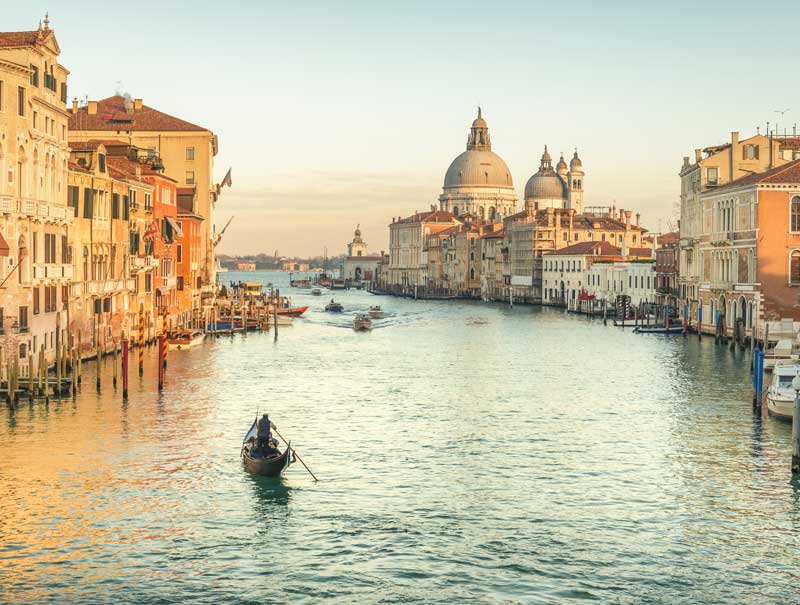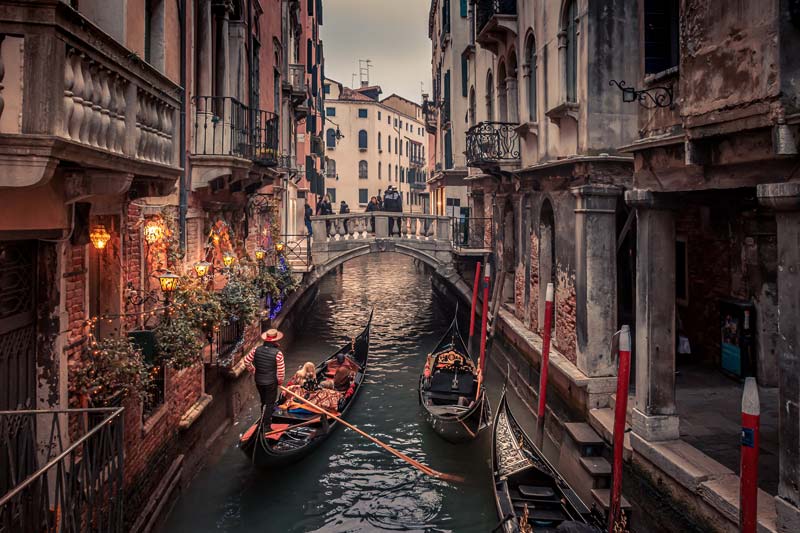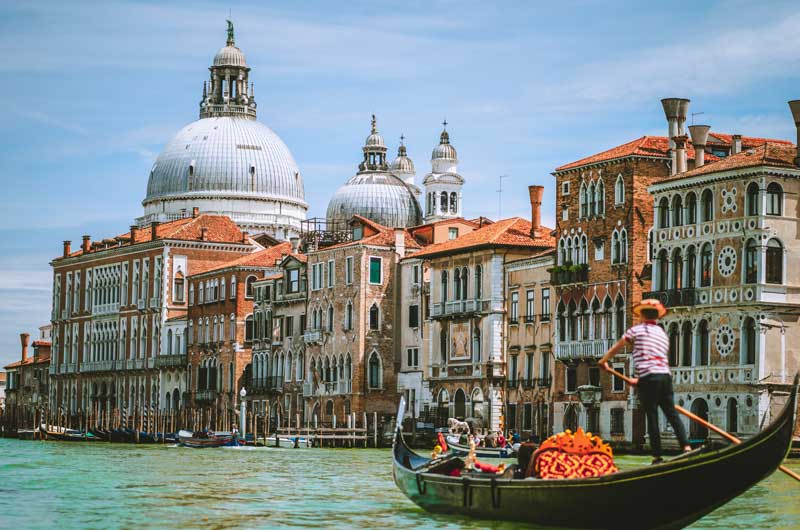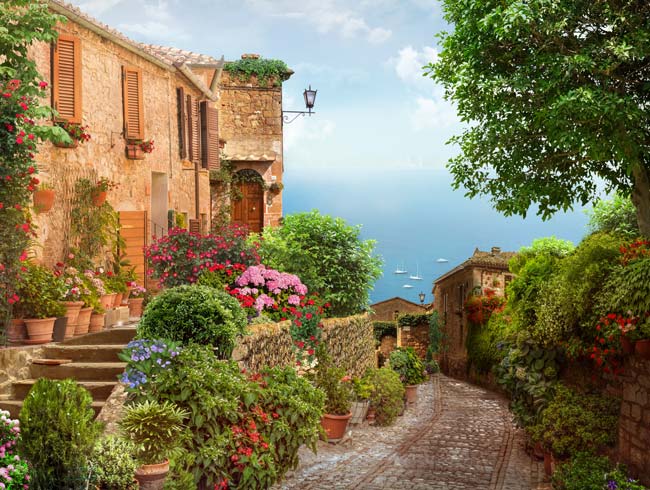
Italy is a country of romance, history, and cuisine, where every corner tells a story and every journey feels unforgettable. From the dramatic cliffs of the Amalfi Coast to the winding canals of Venice, beauty and culture are woven seamlessly into daily life. Walk through the streets of Rome, where ancient ruins stand beside bustling cafés, or wander through charming hilltop villages where traditions have been preserved for generations. Whether you’re drawn by iconic art, breathtaking landscapes, or authentic pasta dishes, Italy offers a timeless and deeply personal travel experience unlike any other.
History
Italy’s story begins with the Roman Empire around 800 BC. Rome quickly expanded into one of the most powerful civilizations in history, establishing systems of law, government, language, and architecture that continue to shape the Western world today. After the fall of the Roman Empire around the year 500, Italy fragmented into independent city-states such as Florence, Venice, Milan, and Rome. Though politically divided, these cities became centers of trade, culture, and innovation. This period eventually gave rise to the Renaissance, a time marked by a powerful rebirth of art, science, and intellectual thought. Influential figures like Leonardo da Vinci, Michelangelo, and Raphael helped redefine creativity and human achievement. As a result, Italy is not only known for its beauty but also for a rich history that continues to influence modern society.


Travel Tips
Now that you know more about Italy, you may be ready to visit. But where do you start? With so many cities, regions, and experiences to choose from, planning a trip can feel overwhelming. Italy offers everything from fast-paced urban adventures to slow, scenic countryside escapes. From essential travel tips and must-see attractions to dining customs and cultural expectations, this guide is designed to help you confidently plan your trip and make the most of your time abroad.
Travel
One of the most important things to remember when traveling internationally is to be aware of local customs. Understanding cultural norms not only shows respect but also helps you avoid unnecessary stress. In Italy, it’s common for public transportation to experience delays, so building extra time into your schedule is a smart move. Many businesses close during lunch hours, and some may also close on Sundays, especially in smaller towns. Keeping cash on hand can be helpful, as not all places accept credit cards. Bringing a reusable water bottle is also a great idea, as Italy has many public fountains with clean, drinkable water.
Attractions
When planning your trip, be sure to research and book attractions in advance. Italy is one of the most visited countries in the world, and popular sites often sell out days or even weeks ahead of time. Booking early can help you avoid long lines and make the most of your vacation. After all, no one wants to spend hours waiting when they could be exploring. Some of Italy’s most famous destinations include the Colosseum in Rome, the Leaning Tower of Pisa, the scenic shores of Lake Como, and the historic canals of Venice. Each of these locations offers a unique glimpse into Italy’s history, architecture, and culture, making them unforgettable highlights of any trip.
Dining
Food is a central part of Italian culture, and understanding local dining customs can greatly enhance your experience. When eating breakfast, consider standing at the counter like the locals, as sitting at a table can significantly increase the cost of your meal. Lunch and dinner are often slower, more social experiences meant to be enjoyed, not rushed. Many quality restaurants don’t open for dinner until around 7 pm, so planning your meals accordingly can help you avoid frustration. Tipping is not expected in Italy, as service charges are often included in the bill. Lastly, try not to fill up on bread before your main dish arrives. It’s meant to complement the meal, not replace it.